Most athletes treat game day nutrition as an afterthought. A big breakfast that sits wrong, skipping the pre-game meal, and forgetting to hydrate until warm-up. The performance you show up with was built, or destroyed, in the 24 hours before kickoff. NRLW player Layne Morgan's game day starts the morning before, not the morning of.
You Train Hard All Week. On Game Day, You Feel Flat. Here's Why.
The training is there. The sessions are consistent. The fitness is real.
And then game day arrives, and nothing feels right.
Legs are heavy. Focus takes longer to find. The sharpness that's there in training isn't quite there when it matters. The game gets away before you've found your rhythm.
That's not a fitness problem. That's a preparation problem. And it almost always starts 24 hours before kickoff.
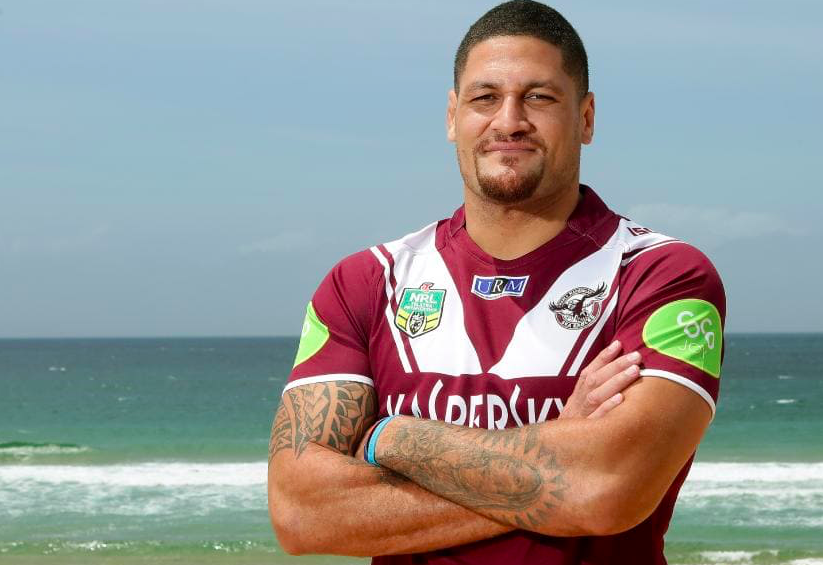
NRLW Parramatta Eels player Layne Morgan is direct about where game day actually begins.
"First and foremost is wake up, get myself ready, do some mobility, some recovery in the morning, making sure that I fuel, get a start on my hydration, start looking after my body."
That morning she's describing isn't game day morning. It's the morning before.
Game Day Nutrition Is an Afterthought for Most Athletes
The pattern is familiar across every level of team sport.
A big breakfast that sits too heavily before warm-up. A pre-game meal that gets skipped because there wasn't time. Hydration that starts during the warm-up, not hours earlier. Supplements taken at the wrong time relative to the body’s needs.
None of it is deliberate neglect. It's just that game-day nutrition never gets the same level of planning attention as training. Sessions are scheduled, structured and taken seriously. Game day preparation runs on habit and feel.
The performance you show up with was built, or destroyed, in the 24 hours before kickoff.Treating that window as an afterthought means arriving at the most important session of the week with less preparation than any training session gets.
Smaller Athletes in Contact Sport Don't Overcome Size With Willpower
This is worth saying plainly because it changes how strength training gets approached.
In contact sports, size is a real physical variable. It affects force production, impact absorption and who controls the collision. An athlete who regularly lines up against players with a significant size advantage can't close that gap through effort alone on game day.
They close it in the gym, across the weeks and months before game day.
But generic gym programmes don't transfer to contact sport the way sport-specific strength does. The movements that matter are the ones that mirror the demands of the position. The tackle. The carry. The sprint out of contact. The ability to hold ground when someone bigger is trying to move you.
Strength built around those patterns shows up on the field. Strength built around standard templates might not.
Old Injuries Become Weak Links Under Competition Intensity
An injury that's been through rehab isn't gone. It's managed.
The hamstring that went two seasons ago. The shoulder that's never quite right. Under training load, they're fine. Under the unpredictable, high-intensity demands of competition, they get exposed.
Without targeted maintenance work built into every training week, those weak links show up when the pressure is highest. Not in a controlled environment where you can manage the load. In a game situation where you can't.
Layne's approach is to identify the two or three areas that carry injury history and make maintenance work non-negotiable, every week, regardless of how they feel. Not reactive. Permanent.
Pre-Loading Works. Reacting During the Game Doesn't.
This is the mechanism that most team-sport athletes are never told clearly enough.
Creatine fuels the creatine phosphate energy system, the primary system driving short, explosive efforts. The tackle. The carry. The sprint out of contact. These are the moments when contact sport is decided, and they all draw on the same short-duration, high-power system.
Daily creatine loading means stores are always full when competition demands them. Not topped up on game day. Not guessed at. Full, consistently, because the daily habit keeps them that way.
Electrolytes work the same way. You can't replace sweat loss during a game fast enough to keep pace with what's being lost. The deficit builds faster than intake can keep up with. Pre-loading creates a buffer, starting hydration the night before and continuing through game day morning means the body enters warm-up with full sodium, potassium and magnesium stores rather than immediately running a deficit from the first contact.
Caffeine from a quality pre-workout peaks at 45 to 60 minutes post-consumption. Timing it to when warm-up starts rather than kickoff means peak focus and output arrive exactly when the game does, not during the team huddle beforehand.
Pre-loading means your body has what it needs when output is demanded, not playing catch-up during the game.
The Game Day System That Removes the Guesswork
Layne's game day protocol isn't complicated. It's consistent.
The night before: hydration starts. Not at warm-up. Not at breakfast. The night before. Sodium stores begin building before the day of competition.
Game day morning: mobility and recovery work first. Fuel intake planned, not reactive. Creatine and BSc Hydrate loaded early to build the hydration buffer across the morning rather than scrambling to catch up pre-match.
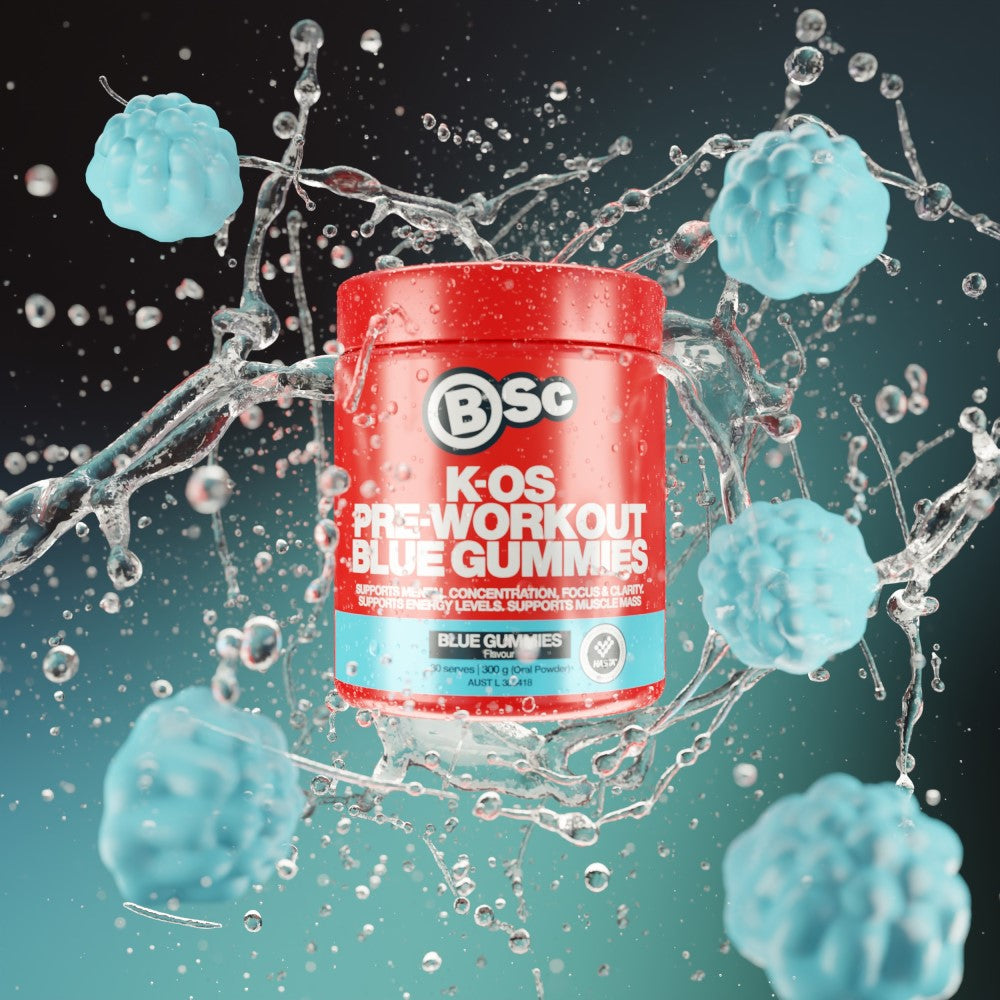
Pre-match: BSc Pre Workout timed to warm-up so peak output lands at kickoff.
Two occasions. Planned. Consistent every game day.The decision-making happens during the week. By game day, it's just execution.
Drug-Tested Sport Demands Supplements With Zero Risk
For athletes competing in drug-tested sport, supplement uncertainty isn't a minor inconvenience. It's a career risk.
Every BSc product is HASTA Certified. Every batch is tested. Not some batches. Every batch. For an NRLW player like Layne, that's not a nice-to-have. It's the baseline requirement for anything going into her body before a game.
Game Day Performance Is Built Before You Arrive. Start There.
The flatness most athletes feel on game day isn't a mystery. It's the predictable result of treating the 24 hours before kickoff as less important than the training week that preceded it.
Start hydrating the night before. Fuel deliberately, not reactively. Pre-load creatine and electrolytes so the body arrives ready rather than playing catch-up. Time caffeine to warm-up, not to kickoff.
The game starts before you get there. Prepare like it does.